
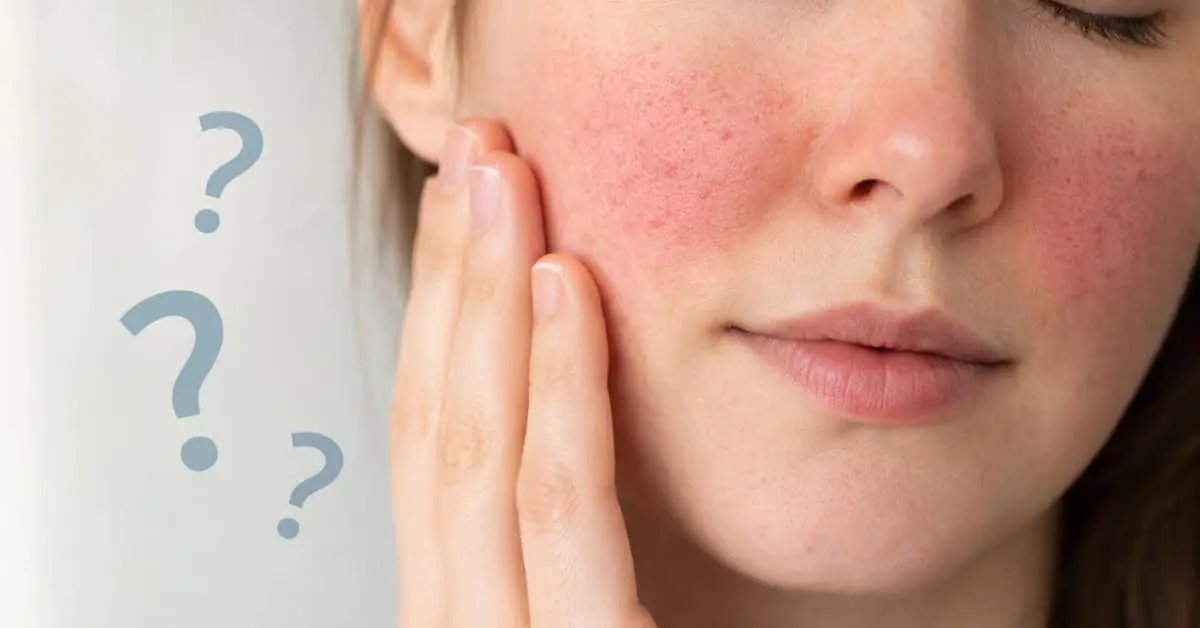
Why Is My Face Always Red? Causes, Treatments & When to See a MedSpa
Facial redness is one of the most common skin concerns—and also one of the most confusing. Many people assume redness is acne, sun damage, or sensitive skin, yet the issue persists no matter what products they try. If you’ve ever wondered, “Why is my face always red?”, you’re not alone.
Persistent facial redness can stem from several underlying conditions, and without proper identification, treatments may worsen the problem instead of helping.
This “Why Is My Face Always Red? Understanding the Causes and Best Treatment Options” guide explains the most common causes of facial redness, available treatment options, and when it’s time to seek professional care at a medical spa.
For residents of Montclair, NJ, Essex County, and beyond, expert skin evaluations at Arria MedSpa provide clarity and personalized solutions.
What Does Persistent Facial Redness Mean?
Facial redness occurs when blood vessels near the surface of the skin dilate or become inflamed. While temporary flushing is normal, redness that lingers or worsens over time often signals an underlying skin condition or sensitivity issue.
Redness may appear as pink or red patches on the cheeks, nose, chin, or forehead, visible blood vessels, flushing that comes and goes, warmth or burning sensations, or red bumps often mistaken for acne. Understanding the cause is essential, as each condition requires a different treatment approach.
Common Causes of Facial Redness
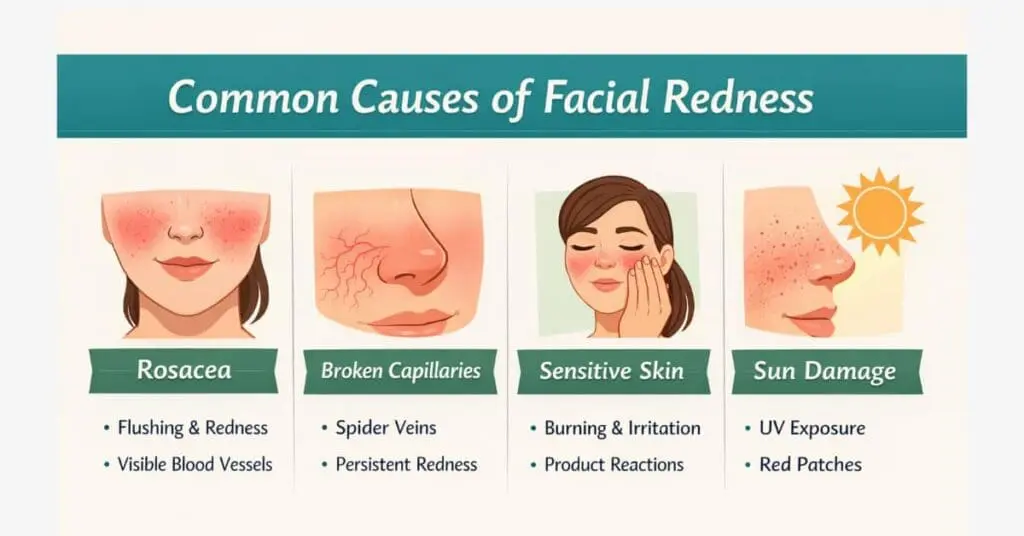
Several skin conditions and environmental factors can cause a chronically red face. Identifying the source of why your face is always red is the first step toward effective treatment.
Rosacea
Rosacea is one of the leading causes of persistent facial redness, especially in adults. It typically affects the central face and often worsens over time without professional care.
Common signs include ongoing redness across the cheeks and nose, frequent flushing triggered by heat, stress, alcohol, or spicy foods, visible capillaries, acne-like bumps without blackheads, and skin that feels sensitive or warm. Rosacea is frequently mistaken for acne or general sensitivity, leading to product misuse that intensifies inflammation.
Broken Capillaries
Broken capillaries, also known as spider veins, are small blood vessels that become visible beneath the skin. They are often caused by sun exposure, aging, genetics, or repeated flushing episodes.
These appear as thin red or purple lines, usually around the nose and cheeks, and do not fade on their own. Unlike flushing, broken capillaries require targeted professional treatment to improve their appearance.
Sensitive or Reactive Skin
Some individuals naturally have reactive skin that responds quickly to skincare products, temperature changes, or environmental exposure. This type of skin may flush easily and remain red longer than usual.
Symptoms often include redness after cleansing, burning or stinging sensations, irritation from common products, and dryness accompanied by inflammation. Overuse of exfoliating acids or fragranced products frequently worsens redness in reactive skin types.
Sun Damage
Long-term sun exposure weakens the skin barrier and damages surface blood vessels, contributing to chronic redness and uneven tone.
Sun-related redness may appear as persistent pink patches, increased sensitivity, visible vessels, and rough texture. Even individuals who tan easily can develop redness from cumulative UV exposure over time.
Hormonal Fluctuations
Hormonal changes can also play a role in facial redness. Perimenopause, menopause, pregnancy, and periods of heightened stress often trigger flushing and sensitivity.
This type of redness may come and go, feel warm, and overlap with rosacea symptoms. Proper evaluation helps determine whether hormonal factors are contributing to the issue.
Skin Conditions Mistaken for Acne
Not all red bumps are acne. Conditions such as rosacea, inflammatory dermatitis, and folliculitis can look similar but respond very differently to treatment.
Redness is likely not acne if there are no blackheads, the skin burns rather than feels tender, redness spreads beyond blemishes, or acne products consistently worsen symptoms. Misidentifying the condition is one of the most common reasons facial redness persists.
Why Over-the-Counter Products Often Make Redness Worse
Many people attempt to treat facial redness with over-the-counter cleansers, exfoliating acids, or acne medications. While effective for oil and breakouts, these products often compromise the skin barrier and increase inflammation.
Common mistakes include over-exfoliation, using alcohol-based products, applying strong acne treatments to non-acne conditions, and skipping daily sun protection. Without professional guidance, even well-intended skincare routines can intensify redness.
Professional Treatments for Facial Redness
At Arria MedSpa in Montclair, NJ, facial redness is addressed with customized, medical-grade solutions designed to calm inflammation and support long-term skin health.
IPL Photofacial Therapy
Intense Pulsed Light (IPL) targets redness, broken capillaries, and sun damage by delivering controlled light energy beneath the skin’s surface.
IPL treatments help reduce visible redness, fade blood vessels, improve overall skin tone, and promote a more even complexion with minimal downtime.
LED Light Therapy
LED light therapy uses specific wavelengths to reduce inflammation and encourage healing without heat or irritation. It is especially beneficial for sensitive or rosacea-prone skin and is often used to support other treatments.
Medical-Grade Facials
Customized facials at Arria MedSpa focus on hydration, barrier repair, and calming irritated skin. These treatments help strengthen the skin’s natural defenses while reducing visible redness and discomfort.
Face Always Red: Targeted Skincare Regimens
Long-term redness management depends heavily on the proper skincare routine. Medical-grade products are selected based on skin type and condition, focusing on barrier support, anti-inflammatory ingredients, gentle exfoliation, and consistent sun protection.
When Should You See a MedSpa for Facial Redness?
Professional care is recommended if redness persists despite skincare changes, the skin feels hot, or stings, visible blood vessels appear, acne treatments worsen symptoms, or flushing interferes with daily life. Early intervention prevents progression and helps maintain healthier skin long-term.
A Quick Review of FAQs About Facial Redness

Is facial redness permanent?
Facial redness is not always permanent. In many cases, redness can be significantly reduced with the right treatment plan. Conditions such as rosacea, broken capillaries, or sun damage often respond well to professional treatments like IPL therapy, LED light therapy, and medical-grade skincare.
Can stress cause facial redness?
Yes, stress is a common trigger for facial redness. Stress causes blood vessels to dilate, leading to flushing and increased sensitivity. Over time, repeated stress-related flushing can contribute to persistent redness, especially in individuals prone to rosacea.
Why does my face get red and hot?
A red, hot sensation in the face is often caused by vascular flushing. This may be triggered by heat, exercise, alcohol, spicy foods, hormonal changes, or skin conditions such as rosacea. A professional skin evaluation can help determine the underlying cause.
Does facial redness mean I have rosacea?
Not always. While rosacea is a common cause of persistent redness, other conditions such as sun damage, broken capillaries, sensitive skin, or inflammatory skin reactions can produce similar symptoms. A professional assessment is the best way to determine the correct diagnosis.
What treatments help reduce facial redness?
Treatments for facial redness depend on the cause but may include IPL photofacials, LED light therapy, customized medical facials, and targeted skincare regimens. These treatments focus on reducing inflammation, strengthening the skin barrier, and minimizing visible blood vessels.
Can skincare products make facial redness worse?
Yes. Harsh cleansers, exfoliating acids, alcohol-based products, and strong acne treatments can worsen redness by damaging the skin barrier. Redness-prone skin typically requires gentle, medical-grade products selected by a professional.
When should I see a MedSpa for facial redness?
You should consider visiting a MedSpa if facial redness persists despite skincare changes, causes discomfort, worsens over time, or interferes with confidence. Early treatment helps prevent progression and improves long-term results.
Is IPL safe for sensitive or rosacea-prone skin?
When performed by trained professionals, IPL can be safe and effective for certain types of redness and rosacea. A consultation is necessary to determine if IPL is appropriate for your specific skin condition.
Face Always Red? Why Choose Arria MedSpa in Montclair, NJ
Arria MedSpa proudly serves clients throughout Montclair, Essex County, surrounding North Jersey communities and beyond. Each patient receives a personalized skin assessment and a treatment plan tailored to their specific concerns.
With advanced technology, medical oversight, and experience treating sensitive and redness-prone skin, Arria MedSpa focuses on results-driven care without compromising skin health.
Clearer, Calmer Skin Starts with the Right Diagnosis
If your face always looks red and nothing seems to help, understanding the underlying cause is key. Facial redness is treatable, and the right approach can significantly improve comfort, appearance, and confidence.
For those in Montclair, NJ and the surrounding Essex County, New Jersey and tri-state areas, scheduling a consultation at Arria MedSpa is the first step toward calmer, healthier, more balanced skin.